Why motion is uniquely hard
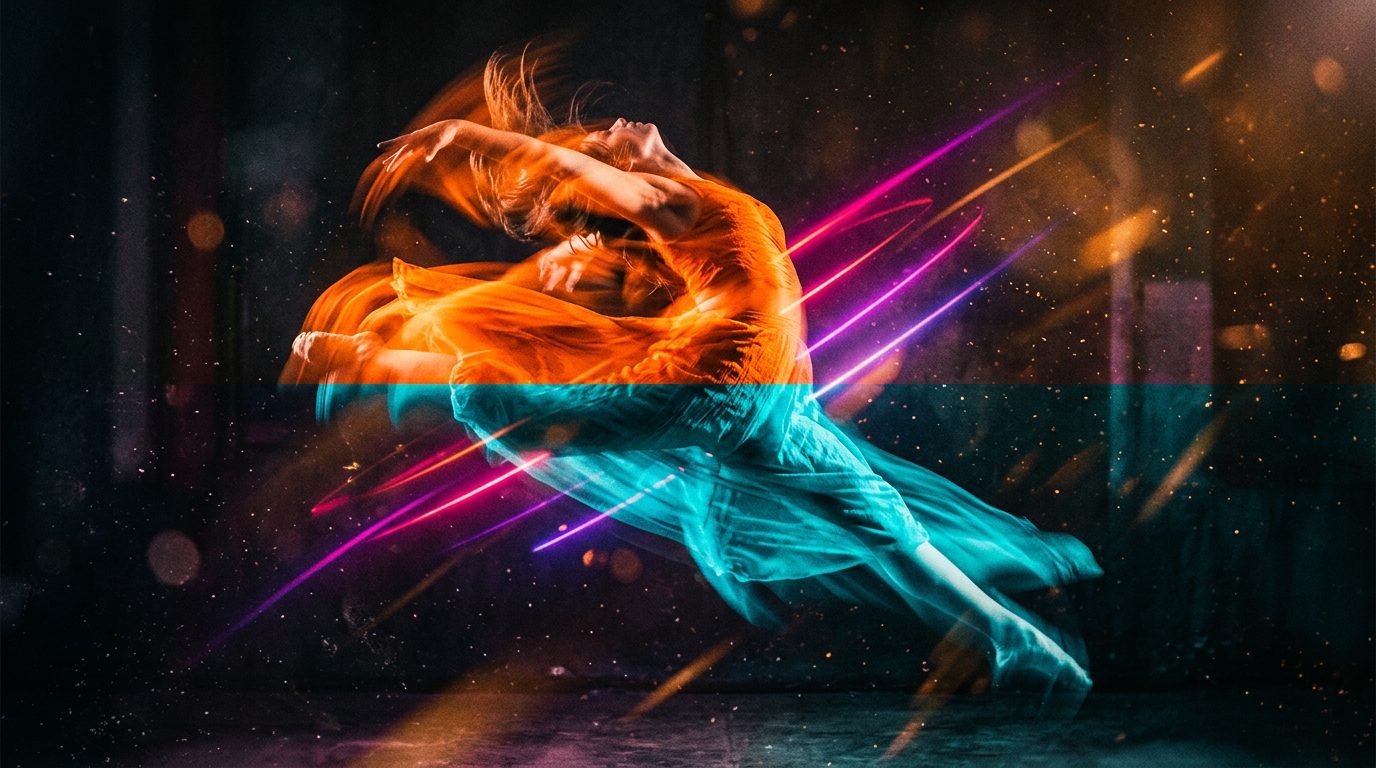
Static shots need per-frame fidelity. Motion needs both fidelity and temporal coherence — limbs must stay attached, joints must bend correctly, gravity must persist. This is where most models still fail.
Kling's advantage
Kling was trained with a heavy bias toward human motion from launch. It shows: dance sequences, a basketball crossover, a skateboard kickflip — Kling 2.5 delivers usable one-shot clips where Sora 2 tends to produce anatomically-off variants.
When Sora 2 catches up
Slow gesture, dialogue with expressive hand movement, subtle body language — Sora 2 wins these. It's motion-plus-emotion where it shines. Pure kinetic motion still belongs to Kling.
Workflow tip
For any prompt involving 'dance', 'run', 'jump', 'kick', 'flip', 'sport' — start with Kling 2.5. If you need audio in the same clip, generate silent in Kling then layer Sora 2 audio, or accept the motion tradeoff.
Test motion prompts
Put this into practice in the studio — under a minute to your first result.
Test motion prompts →