The three shots every product page now needs
A 3-second orbit loop, a 5-second lifestyle hero, and a 6-second in-use micro-demo. Photography still shoots the flatlays; AI increasingly shoots the motion. Three brands we tracked all converged on this same trio independently.
The orbit loop
Generated in Veo 3.1 image-to-video from a clean packshot. Prompt: 'slow clockwise orbit, 360 degrees, subject centred, studio white, subtle rim-light'. Cost per shot: around $0.30. Replaces roughly $200 of turntable rig time.
The lifestyle hero
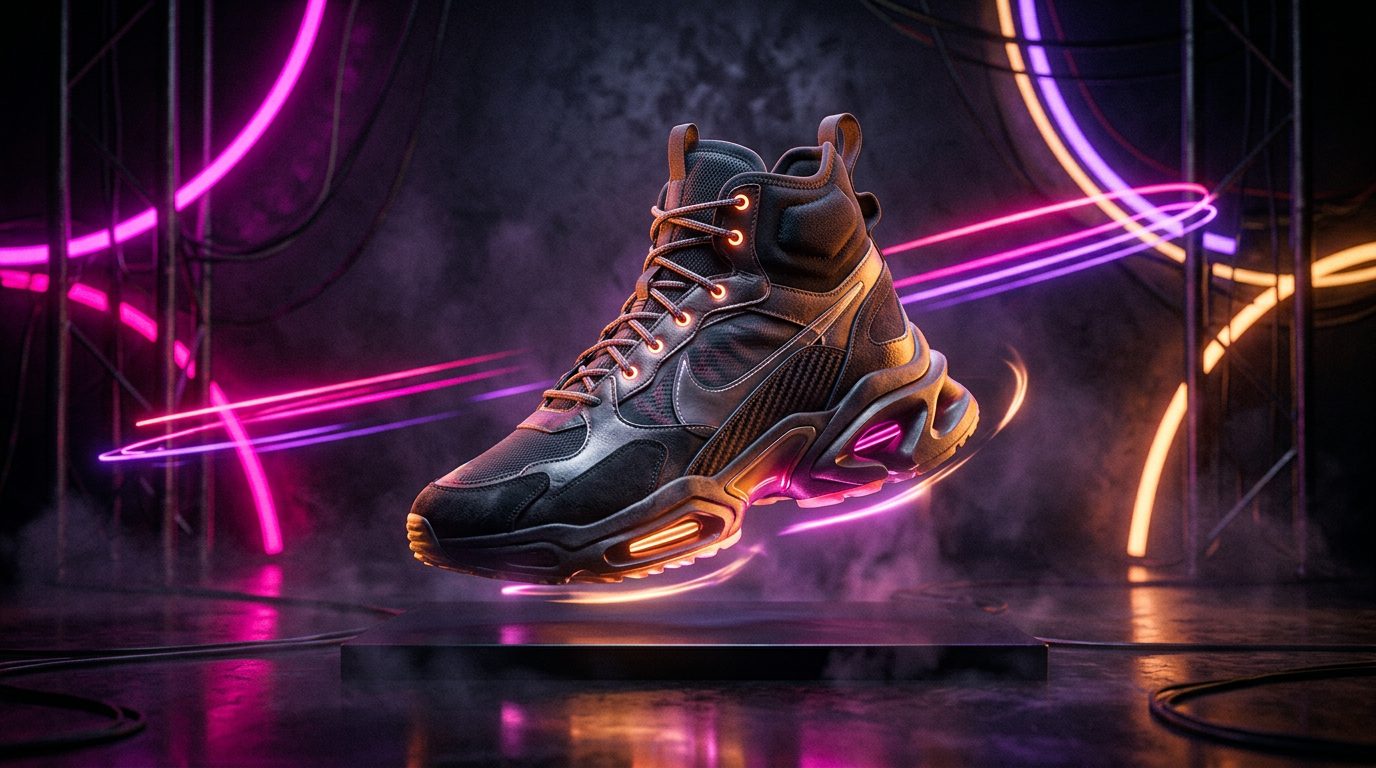
Generated by first producing a hero frame in Flux 2 Pro or Nano Banana 2 that composes the product into a lifestyle setting, then animating in Kling 2.5 or Sora 2. This is the shot that carries brand mood on collection pages.
The in-use micro-demo
Sora 2 with native audio wins here. A 6-second clip of the product being used, with light foley (zip sound, click, poured liquid) — dramatically more engaging than the same shot silent.
The numbers we saw
Across three brands over sixty days:
- PDP add-to-cart lift: +6% to +14% vs static hero
- Reel/TikTok CTR: +22% average vs static-image ads
- Cost per completed video asset: $2-$6 (vs $200-$800 outsourced)
- Production time per asset: 15-40 minutes (vs 3-10 days)
The traps
Two: over-generating (twenty variations of the same shot when three would ship better), and skipping the frame-first step (pure text-to-video produces off-brand colour and composition drift). Both fixable with a stricter brief template.
Build your ecommerce stack
Put this into practice in the studio — under a minute to your first result.
Build your ecommerce stack →